THE CHANGING FACE OF BUSINESS IN LONDON
But Which Part Of London And Why? A recent report published by accountancy firm UHY Hacker Young, looks at the most popular locations, within the UK, that entrepreneurial start-up ventures…
But Which Part Of London And Why?
A recent report published by accountancy firm UHY Hacker Young, looks at the most popular locations, within the UK, that entrepreneurial start-up ventures have chosen over the last 12 months.
Where are the most popular locations to start a business? What is the rationale behind these, seemingly crucial, business decisions? What impact will this have on the office market in these start-up hubs, or indeed, in the wider market? London is the clear leader in terms of the most desirable UK city for start-ups: 17 of the top 20 UK postcodes were in the capital.
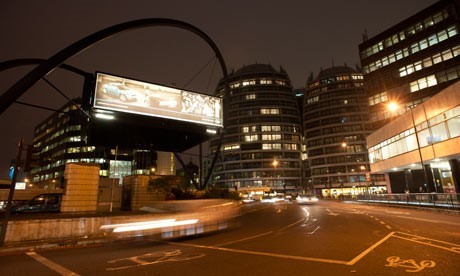
A huge surge in tenant demand, coupled with limited development and existing stock of declining quality is driving up rents. The sector that has seen the most demand and expansion, whether it be via start-up firms, small to medium enterprises (SMEs), or established corporates, is the Telecoms, Media & Technology (TMT) sector, and it is this sector that dominates the ‘Silicon Roundabout’ geography.
There is less choice for tenants, and that means landlords can be more aggressive in their negotiations. Our forecast is for this trend to continue through to the end of 2016.The 15,620 firms that have started-up must, therefore, see the increased rent as a fair price to pay. Other entrepreneurs disagree, however, as evidenced by the higher rates of start-up growth in other markets such as the Southbank (SE1) and Putney Bridge (SW6).
Perhaps the largest surprise was the growth of start-ups in Docklands: an area which, since its renaissance in the 1980s and 1990s, has been home to multi-national companies, particularly in the finance sector – 3,180 companies have been founded in the E14 postcode over the last 12 months.
London’s Silicon Valley – in a Roundabout Way
There is a school of thought that views London’s Silicon Roundabout, rather romantically, as comparable to California’s Silicon Valley. The above research, coupled with property market data, shows that, whilst there is perceived value in establishing an informal Enterprise Zone of creativity and free-thinking, capitalism and the laws of economy might eventually trump spirited Old Street hipster ideals.
Rents in Old Street are now comparable to much more established office submarkets such as Noho, Chancery Lane and even Holborn. The country’s entrepreneurs will continue to flock to the capital, but will rising rents and the process of corporate gentrification transform less established office markets, such as Stratford, Aldgate, Battersea and Elephant & Castle, into London and the UK’s creative hubs of the future?
There are many characteristics shared by these geographies: close enough to London’s traditional Central Business District to remain viable, plenty of local culinary and nightlife hotspots and a predominance of existing light industrial warehouse properties that can fairly easily be converted to provide the sort of shabby-chic creative office environment that is ubiquitous in Old Street. There has also been a huge amount of development of both private property development and public infrastructure projects that make these sub-prime office markets more attractive – the 2012 Olympics transformed the mood in Stratford, as well as the landscape, and the Nine Elms and Power Station redevelopments look set to have a similar effect on Battersea.
Undoubtedly, London is growing and these second ring office markets will continue to develop in terms of stock, specification and demand. The Silicon Roundabout submarket of Clerkenwell Road and Old Street will remain as it is now: a hotbed of entrepreneurialism and creativity. Rents will regularise – the current rate of growth is unsustainable long-term – and as successful (ex-) start-ups flourish, they will look to evolve into more efficient office space in more established locations: the City, Holborn and Covent Garden.
However, one of YouTube’s founding team members, Simon Jack, noted in 2013, "Silicon Valley is more of a state of mind, it's a mentality among entrepreneurs." Silicon Roundabout, then, is more than a collection of office buildings. The area will continue to provide an incubation zone for ideas, talent and inventiveness. At least until we all start working from home.